Published on25/08/2026
Jewellery dulls not because the metal fails, but because a thin film of skin oil, sweat, lotion, sunscreen and soap builds up on the surface. On a diamond, that film sits on the UNDERSIDE of the stone — exactly where light enters — so even a thin layer visibly kills the fire. That is why a freshly cleaned ring looks newly bought.
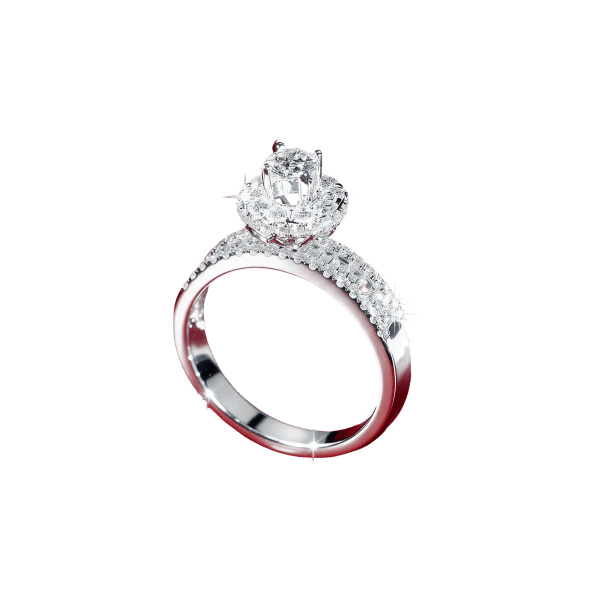
The basic formula: warm water with a few drops of mild dish soap, soak for 15 to 20 minutes, then brush gently with a very soft brush. A child toothbrush is the best and cheapest tool for the job. Brush the UNDERSIDE of the stone and the gaps around the prongs thoroughly, because that is where the grime collects and where most people never look. Rinse in clean water and dry with a soft lint-free cloth.
A small but important trick: plug the drain first, or work in a bowl on a table. More rings go down sinks each year than you would think.
Warm means hand-warm, not boiling. High heat expands metal and can loosen prongs. With some coloured stones such as emerald, a sudden temperature change can crack the stone outright.
Now the NEVER list. Toothpaste is the most commonly misused item — it contains abrasive particles, and those particles are more than hard enough to scratch gold and platinum. The ring looks bright straight after scrubbing, but that brightness is thousands of tiny scratches diffusing light, and within months the surface goes permanently dull.
Bleach and chlorine-based cleaners attack the alloy metals in 18K gold, particularly the copper and zinc. The damage does not show immediately; it accumulates. After a few dozen exposures the shank becomes brittle and can crack. This is also why you should take rings off before getting into a swimming pool.
Alcohol, perfume, hairspray and hand sanitiser all leave residue and accelerate dulling. An easy rule: a ring is the LAST thing you put on when getting ready, and the FIRST thing you take off when you get home.
Ultrasonic cleaners are a contested subject. For a diamond ring with secure prongs on gold or platinum, an ultrasonic is safe and cleans better than hands can. But it vibrates, and vibration loosens prongs that are already weak — if the ring has one worn prong, the ultrasonic is precisely what makes the stone fall out. Only use one after the prongs have been checked.
And some pieces must NEVER go in an ultrasonic, or be soaked at all: pearls (both the nacre and the stringing thread are damaged), emeralds (almost all are oil-treated, and ultrasonics draw the oil out and expose the fractures), opal, turquoise, amber, coral, and anything glued rather than prong-set. Pearls should only be wiped with a damp cloth and left to air dry.
On frequency: a ring worn daily should be cleaned every two weeks. That sounds like a lot, but each session takes a few minutes and the difference is immediate. Beyond that, have the prongs checked by a jeweller every six to twelve months — under a loupe they can see a worn prong long before it becomes dangerous.
Finally, white gold. The rhodium plating wears away after 18 to 24 months of regular wear, and as it goes the colour turns slightly yellow, usually most visible on the underside of the shank. That is normal wear, not a defect, and no amount of cleaning restores it — only replating brings the white back. At PhuocSwiss, replating labour is free for rings made in our own workshop.